THE HUMANOID FDE — FORWARD DEPLOYED ENGINEERS

Engineers on-site. Humanoids at work.

Orboh is the humanoid FDE (Forward Deployed Engineer). Our engineers embed at your site, narrow the task, fix the workflow, and implement a humanoid for that specific job. Every deployment becomes data that makes the next one faster and cheaper.

WHY FDE

Hardware, models, and OS are not enough.

Humanoid hardware, AI models, and robot OS are all reaching the market. But combining them does not make a robot work on a real site. Every site has its own layout, its own workflow, its own edge cases — each robot has to be finished on-site, one deployment at a time.

Autonomous driving reached the real world first through Waymo — by narrowing the environment and fixing the workflow. We apply the same playbook to humanoids: instead of waiting for one giant model to solve everything, our engineers narrow the task, fix the workflow, and implement.

Orboh

FDE — we bridge this gap

Customer site

Factories and construction sites — the robot has to work reliably. Buying one is not enough.

THE IMPLEMENTATION GAP

Site-specific workflow design, implementation, and operation

Available on the market

OS

Robot software stacks

AI models (VLA)

General-purpose motor intelligence

Hardware

Commercial humanoid robots

HOW WE WORK — THE FDE MODEL

Engineers embed. Robots deliver.

FDE (Forward Deployed Engineer) is the model that made complex software work inside real organizations. We bring it to humanoid robots.

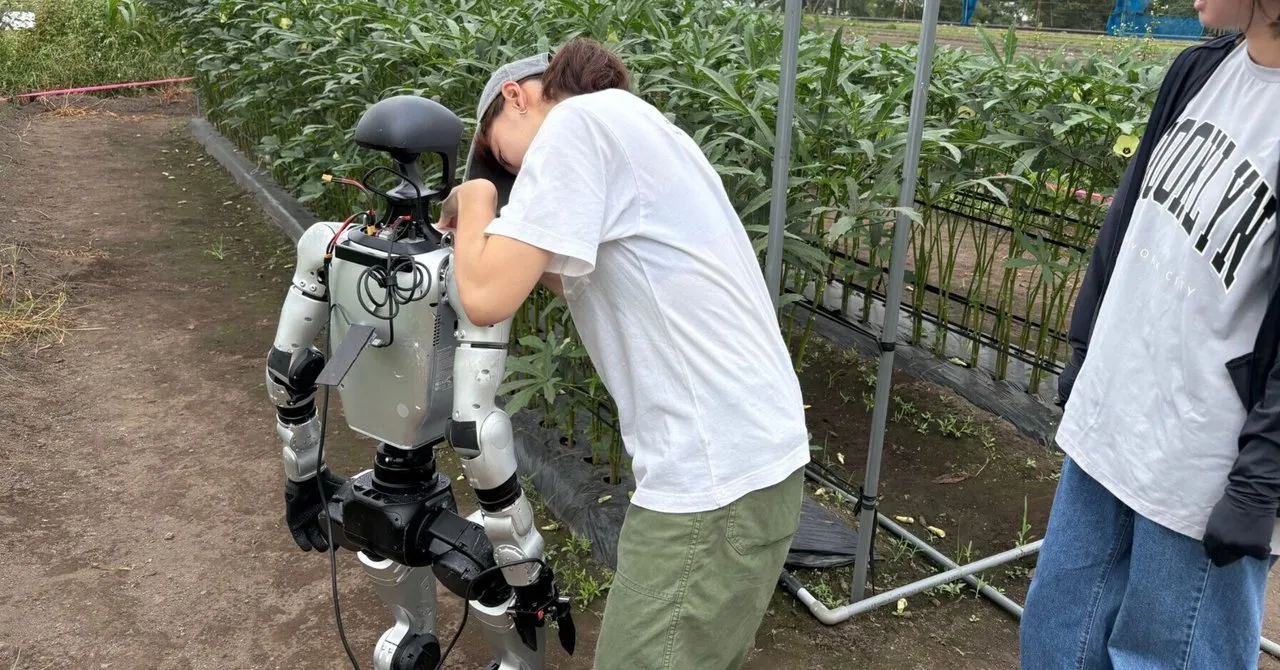
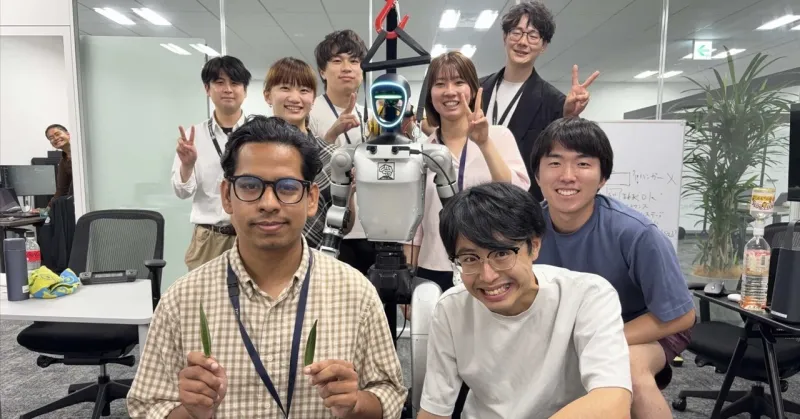
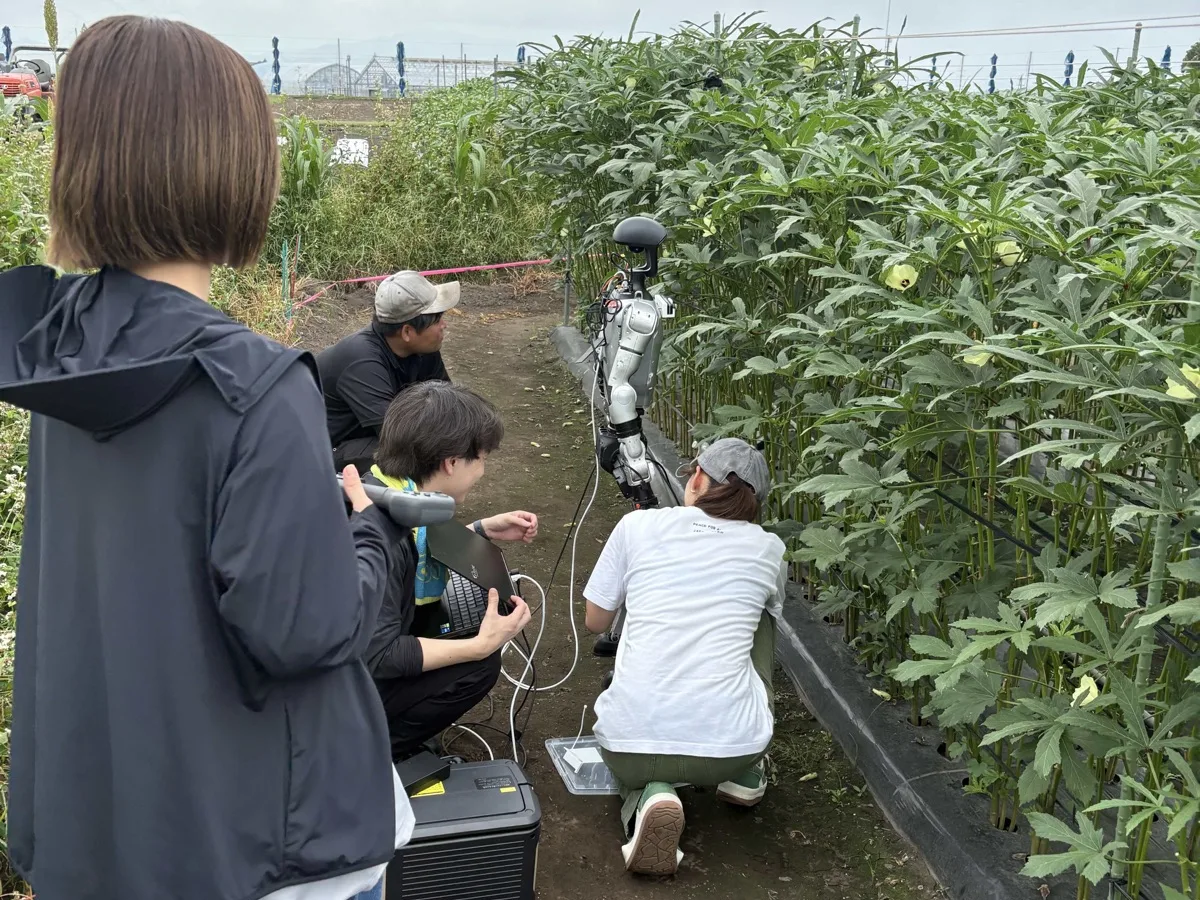
Orboh engineers and a humanoid robot in an okra field
01

Embed on-site

Our engineers work inside your site and your workflow, mapping tasks, constraints, and safety requirements where they actually happen. The people who build and the people who talk to you are the same.

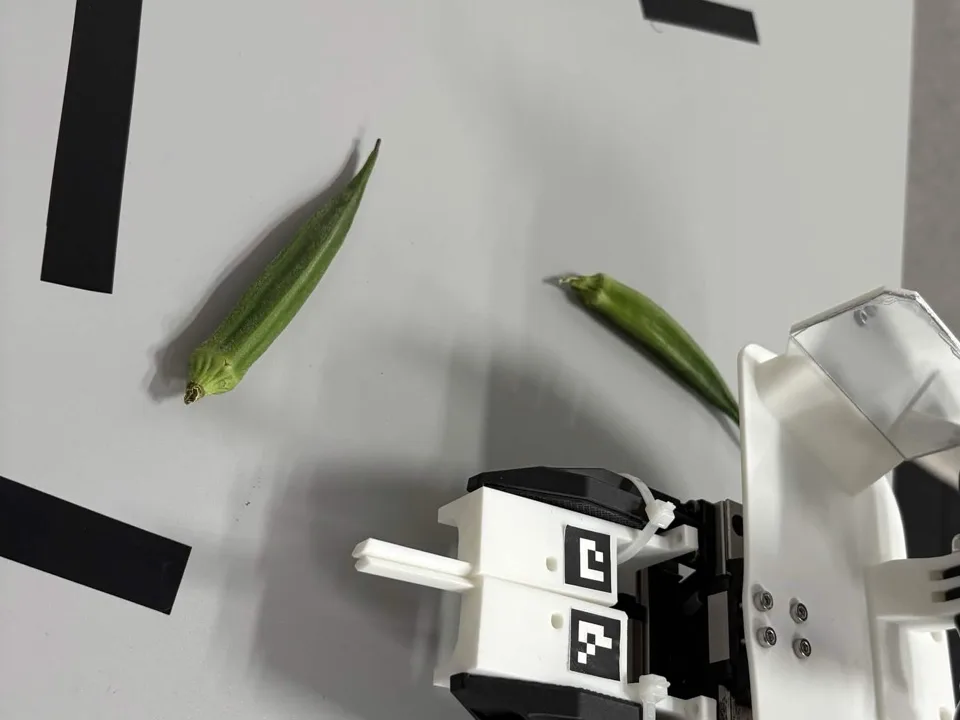
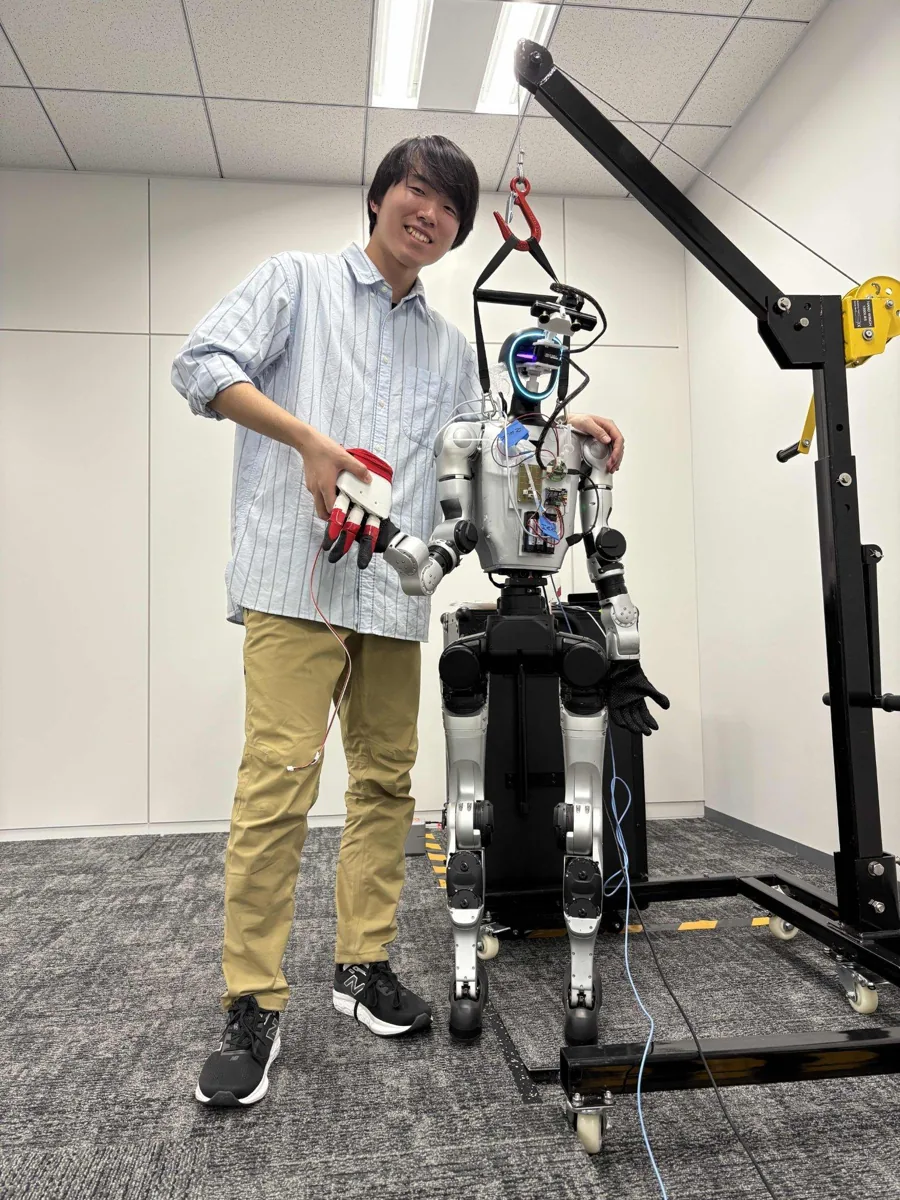
Data-collection gripper set up for a harvesting task
02

Narrow the task, implement

We fix the workflow and finish the humanoid for that specific task — collecting demonstrations by teleoperation and training motor skills with imitation learning (ACT), iterating on the floor until the work is done reliably.

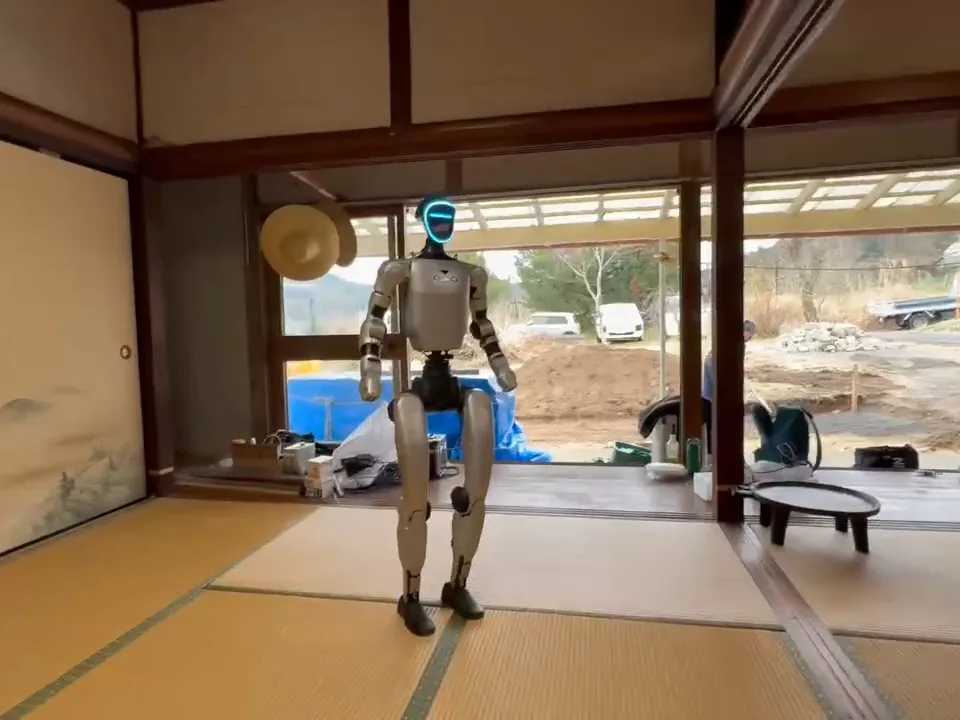
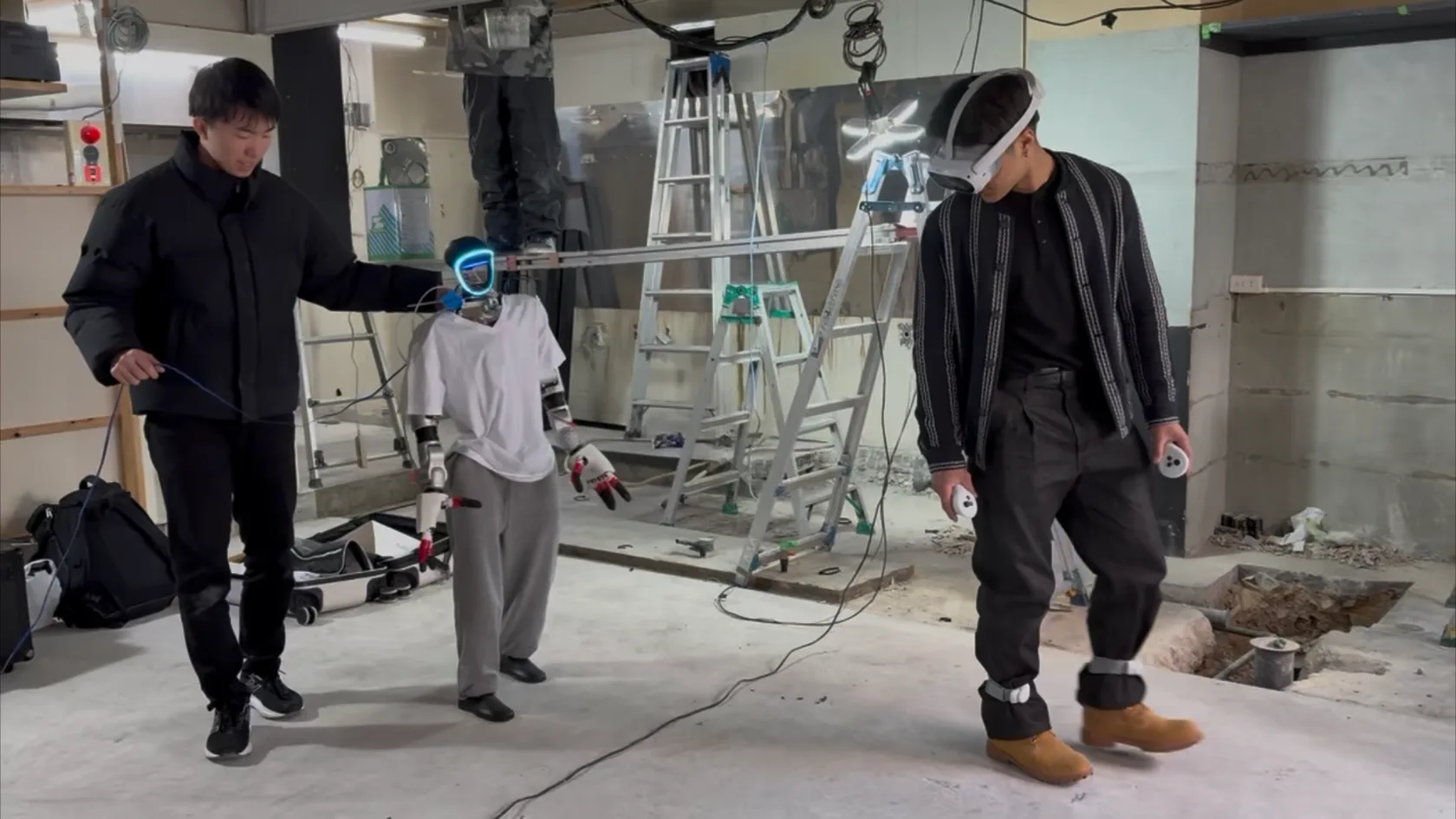
Humanoid robot working inside a house under renovation
03

Operate and accumulate

Robots run as a service, from implementation through operations and maintenance. Every deployment accumulates skills, failures, and procedures as data — making the next deployment faster and cheaper.

FIELD WORK — WHAT WE HAVE IMPLEMENTED

What our engineers have done on-site.

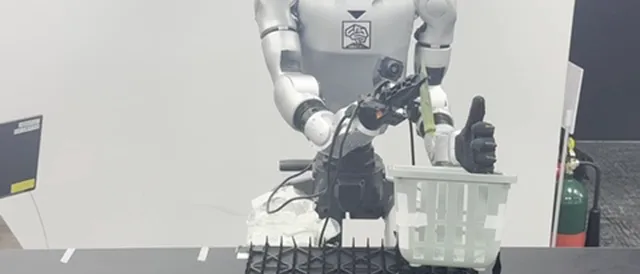
Humanoid robot grasping okra with a basket

01Autonomous crop harvesting

At a farm in Kagoshima, a humanoid autonomously grasps and harvests okra. The motor skill was trained from human demonstrations with imitation learning (ACT) — the robot acts on its own, without teleoperation.

Imitation learning (ACT)

Motor skills trained from human demonstrations.

Real field

Implemented at a working farm, not a lab.

Autonomous

Grasping and harvesting without teleoperation.
COMMERCIAL MODEL — ROBOT-AS-A-SERVICE

Deploy robots. Pay for labor hours. Nothing else.

No hardware purchase. No maintenance overhead. No facility modification. Orboh robots operate in the same human-designed environments your workers already use — scaffolding, stairs, and passageways.

VerticalsConstructionManufacturingLogisticsAgriculture

No CapEx

Pay per hour or per month. Predictable costs, zero upfront investment.

Implementation to operations

From requirements to implementation, operation, and maintenance — handled by our engineers.

Data compounds

Each deployment accumulates implementation data that makes the next one faster and cheaper.

No facility modification

Operates in human-designed environments without retrofitting.

DEMO VIDEO

See Orboh robots at work

Humanoid Hack Tokyo

COMMUNITY — HUMANOID HACKATHON

Humanoid Hack Tokyo

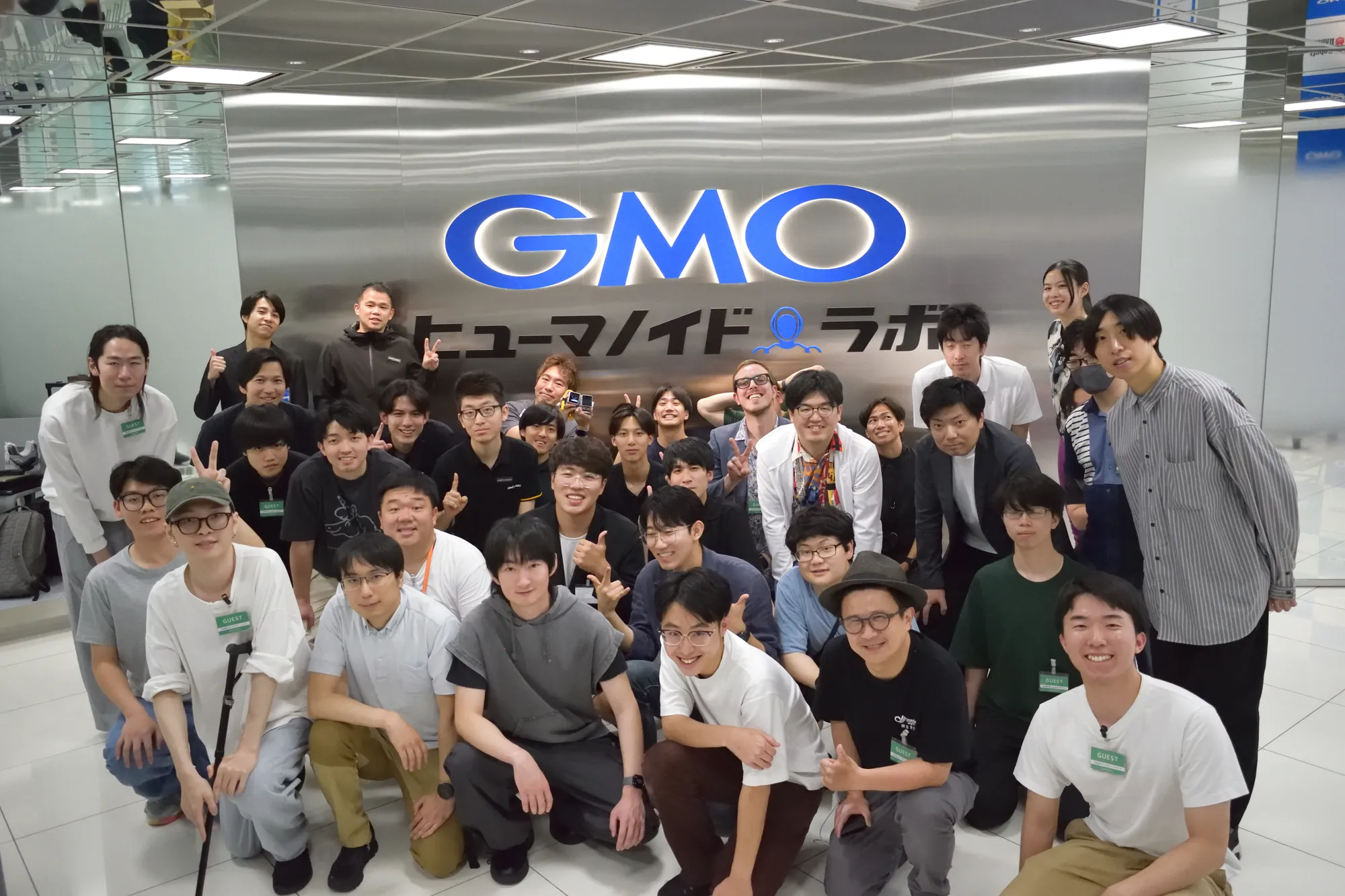
Tokyo's humanoid hackathon. Developers from Japan and abroad build real apps on Unitree G1 humanoids — free to join.

Explore Humanoid Hack

TEAM

Founding team

Founded by a team that spent four years building rockets together — integrating complex hardware and software end to end.

Sota Miyajima

CEO

Sota Miyajima

宮嶋 壯太

  • Studied space systems engineering at Kyushu Institute of Technology.
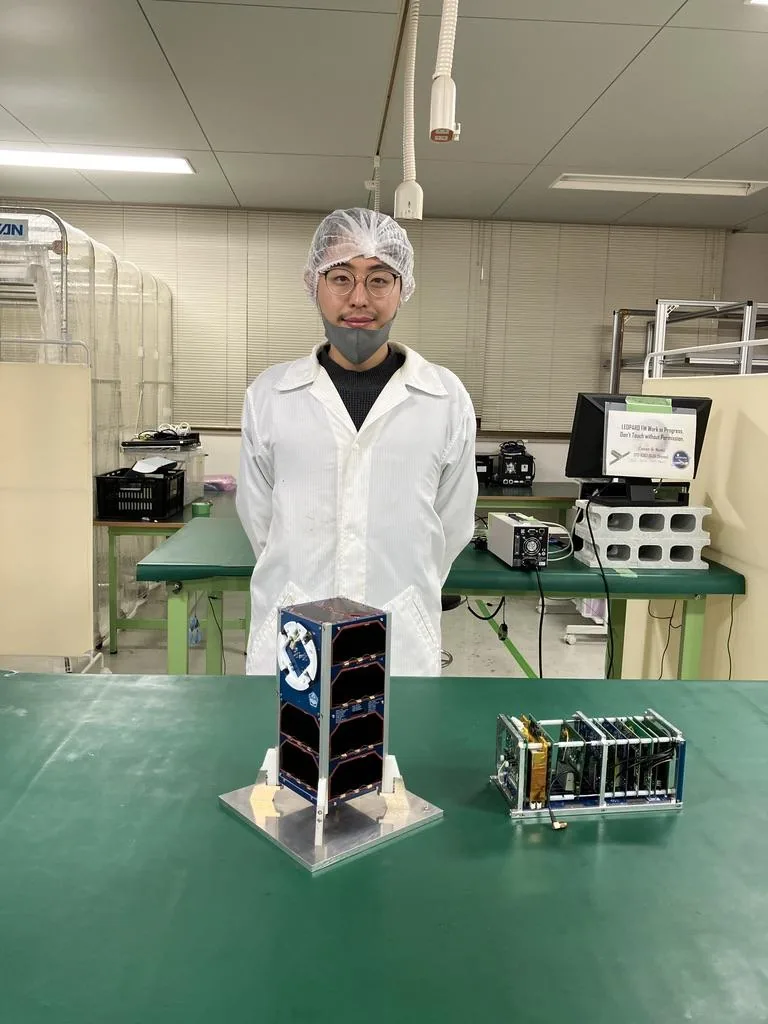
  • Worked on the BIRDS-X microsatellite from mission definition through launch, leading the satellite operations software.
  • Thermal design and thermal testing of satellites at a satellite manufacturer.
Kota Ueda

CTO

Kota Ueda

上田 康太

  • Studied mechanical and intelligent systems engineering at Kyushu Institute of Technology, researching legged robots.
  • Led three student rocket projects, owning systems-level design: organization, avionics, and mission requirements.
  • Finalist at an international quadruped-robot hackathon in Shanghai.
Kento Uchiyama

COO

Kento Uchiyama

内山 絢登

  • Studied space systems engineering at Kyushu Institute of Technology, building rockets with the founding team for four years.
  • Built the safety management system for student rocket development — operations and safety design for high-risk hardware.
  • Runner-up at the LeRobot worldwide hackathon in San Francisco.

Ready to put a humanoid to work on your site?

We offer live demos for construction and manufacturing teams. Talk to us about on-site deployment and RaaS.

Note: this form is not for sales solicitation.